For years, we've been told to add more protein to our diet. Protein shakes after workouts, protein-rich breakfast cereals, protein chips, high-protein biscuits—even protein coffee. But is more protein really better for everyone?
A recent scientific review published in Cell Press Blue is encouraging people to rethink that belief. The review, led by biomedical researcher Dr. Dudley Lamming, analyzed over 350 studies conducted on humans as well as animals and other organisms. The findings suggest that for many healthy adults who already consume enough protein, eating even more may not provide additional health benefits. In fact, moderately reducing protein intake could support healthier aging and improve metabolism.
While this doesn't mean people should stop eating protein, it does highlight an important point: your protein requirement depends on who you are, how active you are, and your overall health.
The Protein Boom: Are We Eating More Than We Need?
Protein has become one of the biggest nutrition trends globally, and India is no exception.
Today, supermarkets are filled with protein bars, protein ice creams, protein drinks, and protein-enriched snacks. Social media influencers often promote high-protein diets as the secret to weight loss, muscle gain, and longevity.
The reality, however, is more nuanced.
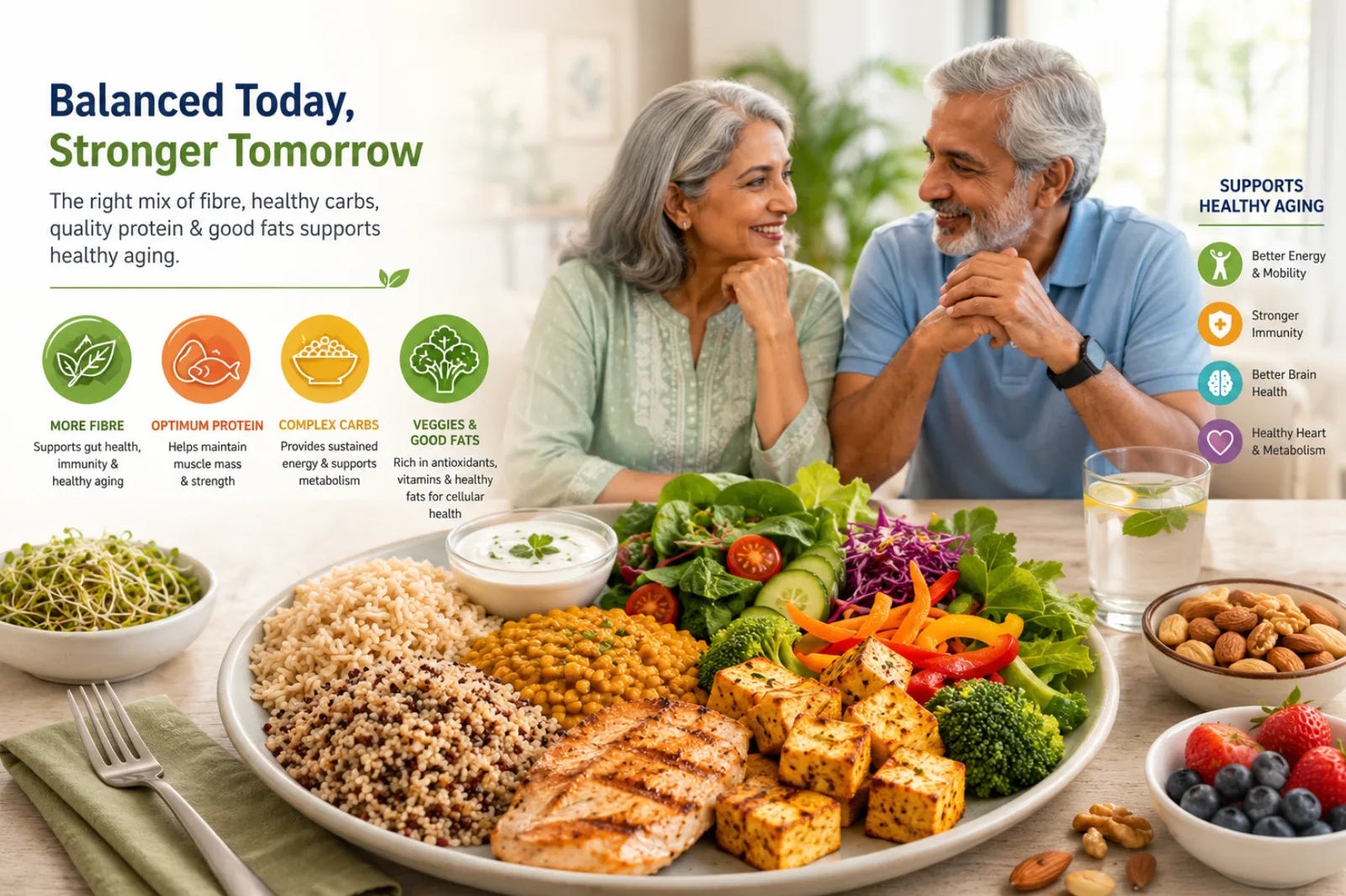
Protein is an essential nutrient. It helps build muscles, repair tissues, produce enzymes and hormones, and supports immunity. But more isn't automatically better, especially if your body already gets enough.
What the Research Says
The review found that reducing total protein—or limiting certain amino acids found in protein—may activate biological processes associated with healthier aging.
One interesting mechanism involves a hormone called FGF21.
When protein intake is reduced moderately, the body may produce more FGF21, which helps increase energy expenditure. Instead of storing excess calories as fat, the body becomes better at burning fat for energy.
Researchers also found that lower protein intake may influence important cellular pathways responsible for:
- Repairing damaged cells
- Recycling old cell components
- Regulating metabolism
- Supporting healthy aging
These processes have long been associated with improved longevity in scientific research.
It's important to understand that protein restriction is not the same as protein deficiency. The goal is not to avoid protein but to avoid unnecessary excess.
How Much Protein Do Indians Actually Need?
The Recommended Dietary Allowance (RDA) for healthy adults is around 0.8 grams of protein per kilogram of body weight.
For example:
| Body Weight | Approximate Daily Protein Requirement |
|---|---|
| 50 kg | 40 g |
| 60 kg | 48 g |
| 70 kg | 56 g |
| 80 kg | 64 g |
Many Indians already meet or exceed these recommendations through their regular diet.
Common protein sources include:
- Dal and lentils
- Milk and curd
- Paneer
- Eggs
- Chicken
- Fish
- Soy products
- Chickpeas and beans
- Peanuts
If you're consuming balanced meals every day, you may already be getting enough protein without adding expensive supplements or fortified foods.
But Doesn't Everyone Need High Protein?
Not necessarily.
Your protein requirement depends on several factors:
- Age
- Physical activity
- Medical conditions
- Pregnancy or breastfeeding
- Recovery after surgery or illness
- Fitness goals
For someone who exercises regularly, lifts weights, or plays sports, higher protein intake may support muscle recovery.
Similarly, older adults often require slightly more protein because aging naturally leads to gradual muscle loss, a condition known as sarcopenia.
However, for someone with a mostly sedentary lifestyle, simply increasing protein intake without improving physical activity is unlikely to deliver significant health benefits.
In many cases, walking regularly, strength training, sleeping well, and eating a balanced diet may contribute more to long-term health than adding another protein shake.
The Indian Perspective
India presents a unique nutritional challenge.
Some people genuinely struggle to meet their daily protein needs due to limited dietary diversity, vegetarian eating patterns, or economic constraints.
At the same time, urban consumers are increasingly purchasing protein supplements without knowing whether they actually need them.
Rather than following social media trends, it's better to evaluate your own nutritional needs.
Someone recovering from surgery, managing diabetes, living with kidney disease, or trying to lose weight safely will have very different protein requirements from a healthy office worker.
That's why personalised nutrition is far more valuable than one-size-fits-all advice.
Can Too Much Protein Be Harmful?
For most healthy people, eating slightly more protein than recommended isn't necessarily dangerous.
However, consistently consuming excessive protein without medical or nutritional guidance may not provide additional benefits.
People with kidney disease, liver disorders, or certain metabolic conditions should always consult their healthcare provider before making significant dietary changes.
The latest research simply reminds us that "more" isn't always synonymous with "healthier."
Every Person's Diet Should Be Different
Nutrition is personal.
Two individuals of the same age can have completely different dietary requirements based on their lifestyle, medical history, activity level, and health goals.
Instead of copying someone else's diet plan, it's always better to seek professional advice.
A qualified dietitian can help you determine:
- Your daily calorie requirement
- How much protein you actually need
- Meal plans for weight loss or weight gain
- Diet plans for diabetes, PCOS, thyroid disorders, hypertension, kidney disease, and other medical conditions
- Sports nutrition
- Pregnancy and postnatal nutrition
How TheThs Can Help You Find the Right Dietitian
Finding the right nutrition expert shouldn't be difficult.
On TheThs.com, you can discover and compare healthcare providers based on your location, treatment needs, and preferences. Whether you're looking for a clinical dietitian, nutrition consultant, hospital-based dietitian, or wellness expert, the platform helps you explore suitable options in one place.
Instead of relying solely on online advice or social media trends, you can connect with professionals who understand your medical history, lifestyle, and health goals. This makes it easier to receive nutrition guidance that's tailored specifically to you.
Whether your goal is healthy aging, weight management, managing a chronic condition, or improving overall wellness, consulting the right expert can make all the difference.
The Bottom Line
Protein remains one of the most important nutrients in our diet—but that doesn't mean everyone needs more of it.
Emerging research suggests that for healthy adults who already meet their protein needs, adding extra protein may offer little benefit. In some cases, avoiding unnecessary excess could even support healthier aging and better metabolic health.
Rather than chasing the latest food trend, focus on balanced meals, regular exercise, quality sleep, and personalised nutrition advice.
And if you're unsure about your dietary needs, consult a qualified dietitian. A personalised plan will always be more effective than following generic nutrition advice found online.