Nobel Prize-Winning Secrets to Longevity

Nobel Prize-Winning Secrets to Longevity: The Science of Living to 100

Have you ever wondered if there’s a biological "fountain of youth" hidden within your own cells? According to the groundbreaking work of Nobel Prize-winning scientists, aging isn't an inevitable decline—it’s a process controlled by microscopic machinery that we can influence through nutrition and lifestyle.

By understanding how to communicate with your DNA, you can effectively tell your cells to repair themselves. Here is the breakdown of the science that can help you live a longer, healthier life.

1. Protecting Your DNA "Caps" (The Telomere Discovery)

The Science: Dr. Elizabeth Blackburn’s Nobel-winning research focused on telomeres. Think of these as the plastic caps on the ends of shoelaces (aglets). They protect your chromosomes from fraying. Every time a cell divides, the telomere gets slightly shorter. When they become too short, the cell can no longer divide and becomes "senescent" or dies, leading to the physical signs of aging and chronic disease.

How to extend your biological clock:

Nutritional Support: High levels of Omega-3 fatty acids are clinically linked to slower telomere shortening. Incorporate wild-caught salmon, chia seeds, and walnuts into your diet.

The Power of Folate: Vitamin B9 (folate) found in dark leafy greens is essential for DNA synthesis. Without enough folate, your telomeres are at risk of premature damage.

The Stress Connection: Chronic stress releases cortisol, which produces oxidative stress that "eats away" at your telomeres. Even 12 minutes of daily mindfulness can preserve your DNA length.

2. Activating Your "Cellular Cleanup" (The Autophagy Discovery)

The Science: Dr. Yoshinori Ohsumi won the Nobel Prize for uncovering autophagy, a Greek term meaning "self-eating." This is your body’s internal recycling program. When activated, your cells seek out damaged proteins and broken mitochondria, breaking them down and turning them into fresh energy.

How to trigger the cleanup:

Strategic Fasting: Autophagy is triggered when the body senses a lack of external nutrients. Utilizing a "16:8" intermittent fasting window—where you eat during an 8-hour period and fast for 16—allows your body the time it needs to perform "cellular housekeeping."

Autophagy-Boosting Foods: Specific compounds like EGCG in green tea and Sulforaphane in cruciferous vegetables (broccoli, cauliflower) act as mild stressors that kickstart the autophagy process.

3. Optimizing Your Protein Factories (The Ribosome Discovery)

The Science: Dr. Venki Ramakrishnan mapped the structure of the ribosome, the complex molecular machine found within all living cells that performs protein synthesis. Ribosomes are the "factories" that build every enzyme, hormone, and muscle fiber in your body. As we age, these factories can become sluggish or make "typos" in the protein code.

How to keep the factories running:

Magnesium is the Fuel: Ribosomes require magnesium to maintain their structural integrity. Without it, they cannot accurately translate genetic code into proteins. Load up on pumpkin seeds, almonds, and dark chocolate.

Quality Protein Ratios: You don’t necessarily need more protein; you need better protein. Prioritizing amino-acid-rich foods like pasture-raised eggs or spirulina ensures your ribosomes have the high-quality raw materials they need to build a stronger version of you.

Sleep and Repair: Ribosomal activity is highly regulated by your circadian rhythm. Deep sleep is the shift when the most intense "factory repairs" occur.

Your Daily Nobel-Inspired Eating Plan

If you want to put this science into practice today, here is a simple meal template:

First Meal (Noon): Two eggs with sautéed spinach, tomatoes, a handful of blueberries, and green tea.

Midday Meal: A large salad with mixed greens, chickpeas, and pumpkin seeds, dressed with olive oil and lemon.

Evening Meal (Before 8 PM): Wild-caught salmon with steamed broccoli and sweet potato.

Snacks: Walnuts, berries, or a square of dark chocolate.

How to Take the Next Step for Your Health

While science provides the roadmap, your journey to 100 is unique. Knowing what to eat is the first step, but having a personalized plan tailored to your specific biomarkers and lifestyle is how you achieve lasting results.

Navigating the world of longevity can be overwhelming, but you don't have to do it alone.

On the THS platform, you can:

Find Specialized Experts: Connect with world-class doctors and clinical dietitians who specialize in longevity science and cellular health.

Get Personalized Guidance: Use the platform to find healthcare providers who can order specific tests—like telomere length testing or nutrient deficiency panels—to see exactly how your cells are aging.

Access Holistic Services: Whether you are looking for a nutritionist to design an autophagy-triggering meal plan or a specialist to help manage the stress that impacts your DNA, TheTHS.com streamlines your search for the best-suited healthcare professionals.

Your cells are constantly listening to the environment you provide for them. By combining Nobel Prize-winning science with the professional guidance found on TheTHS.com, you can ensure that the message you're sending is one of health, vitality, and longevity.

Read More

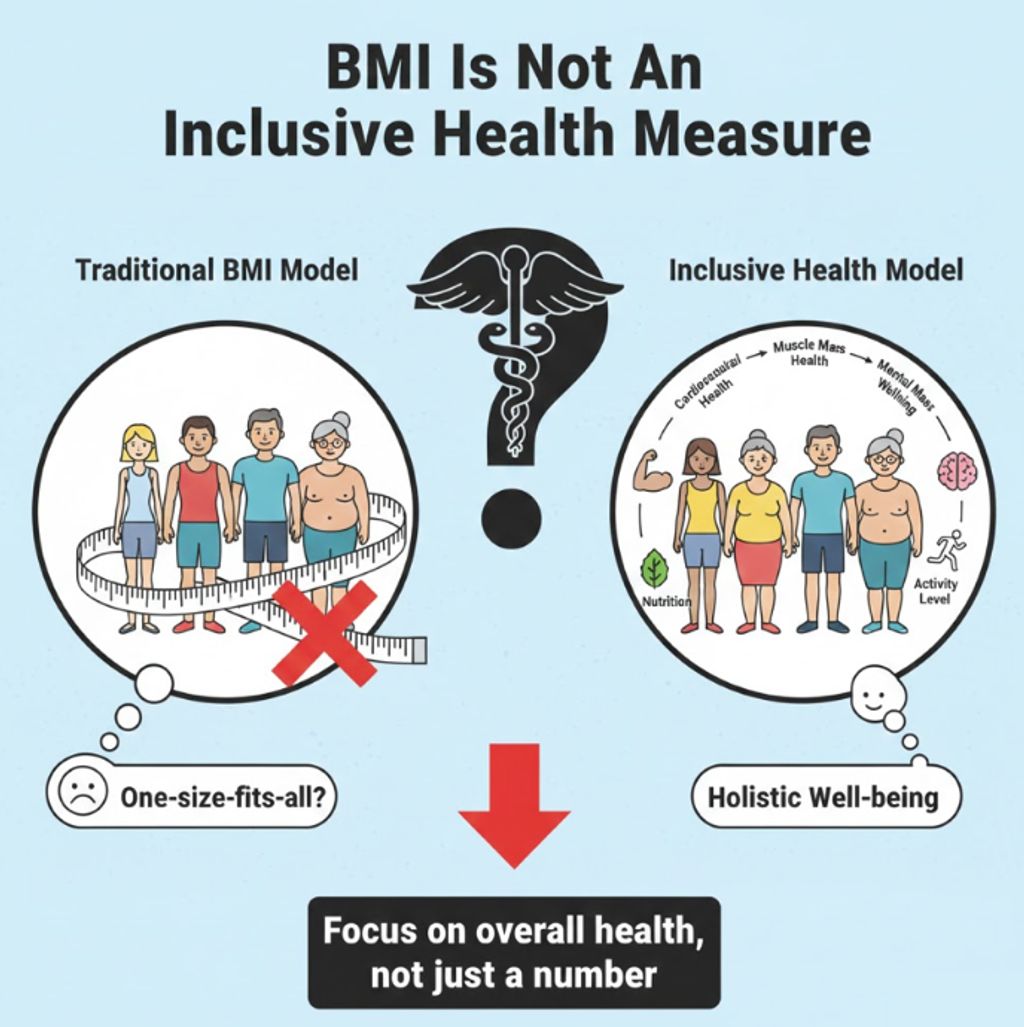
BMI Isn’t the Whole Story

BMI Isn’t a One-Size-Fits-All Health Measure — So How Should We Really Use It?

Most people have heard of Body Mass Index, or BMI. Many even know their number. What’s less commonly discussed is how this simple calculation became such a powerful tool in healthcare — and why it increasingly fails to reflect real health risks for large sections of the population, especially in India and other South Asian countries.

BMI was never meant to define individual health. Yet today, it often determines who gets medical advice, who qualifies for treatment programmes, and who is considered “at risk.”

Where BMI Came From — and What It Actually Measures

BMI was developed in the 19th century using data from a narrow population group. It calculates health risk by dividing weight by height squared. The method was designed to study population trends, not to assess individual bodies.

What BMI really measures is body size, not body composition.

It does not distinguish between:

Fat and muscle

Visceral fat and subcutaneous fat

Bone density differences

Ethnic and genetic variations

A muscular person may be labelled overweight, while someone with high body fat but low muscle may fall within a “normal” range.

Why BMI Misses the Mark for Indians and South Asians

In India, the limitations of BMI become even more obvious. Research over the years has shown that South Asian populations tend to:

Develop diabetes and heart disease at lower BMI levels

Accumulate more abdominal and visceral fat

Experience metabolic risk even when not visibly overweight

This means that many Indians face serious health risks while still falling within what BMI defines as a “healthy” range.

As a result, conditions like:

Type 2 diabetes

Fatty liver disease

Hypertension

Heart disease

often go undetected until they are well established.

The Problem With Universal BMI Cut-Offs

Global BMI thresholds assume that health risks rise uniformly across populations. In reality, they don’t.

For many Indians, metabolic risk begins at BMI levels that are still considered acceptable by international standards. When doctors rely too heavily on BMI alone:

Early warning signs are missed

Preventive screenings are delayed

Lifestyle interventions are not offered in time

This creates a gap where large numbers of people appear “low risk” on paper but are actually vulnerable.

Why BMI Still Persists in Healthcare

Despite its flaws, BMI continues to be widely used because it is:

Easy to calculate

Inexpensive

Consistent across large populations

Useful for broad public health monitoring

For population-level trends, BMI still has value. The problem arises when it becomes the sole indicator of individual health.

What Should Replace or Support BMI?

Rather than abandoning BMI altogether, many healthcare professionals now see it as just one piece of a much larger health picture.

Better assessments often include:

Waist circumference

Waist-to-hip ratio

Blood sugar levels

Cholesterol profile

Blood pressure

Physical activity levels

Diet patterns

Family history

In many cases, waist circumference has proven to be a stronger indicator of metabolic risk than BMI alone — especially for Indian patients.

Why This Matters for Preventive Healthcare in India

India is facing a rapid rise in lifestyle-related conditions. Early identification of risk is critical.

When BMI thresholds are treated as fixed rules:

People miss out on early counselling

Screening tests are postponed

Preventive care becomes reactive instead of proactive

A more flexible, individual-focused approach allows doctors to intervene before disease sets in.

The Role of Specialised Medical Departments

Managing weight-related and metabolic health requires a multidisciplinary approach, involving:

Endocrinology for diabetes and hormonal balance

Internal Medicine for overall metabolic assessment

Cardiology for heart health

Nutrition and Dietetics for personalised dietary planning

Preventive Medicine for early risk management

On TheThs.com, users can easily find and compare doctors, hospitals, clinics, and wellness centres across these specialties.

Moving Toward More Inclusive Health Metrics

Health is not a number — it’s a combination of biology, lifestyle, environment, and access to care. While BMI may remain part of medical conversations for now, its role is gradually changing.

The future of healthcare lies in:

Personalised risk assessment

Culturally relevant guidelines

Early, inclusive screening

Holistic evaluation beyond weight alone

Conclusion

BMI was never designed to define individual health — and for populations like Indians, relying on it too heavily can be misleading. Used carefully, it can still offer insight. Used alone, it can hide risk.

A more complete picture comes from combining BMI with other clinical markers, lifestyle factors, and medical evaluation. Platforms like TheThs.com help bridge this gap by connecting individuals to the right specialists, diagnostics, and preventive care — enabling health decisions that go beyond a single number.


Read More

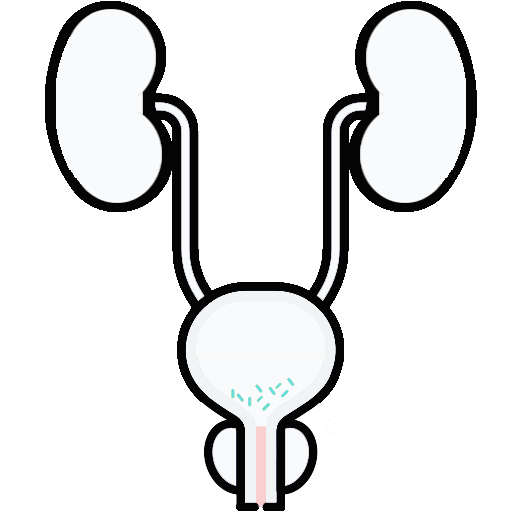
Why Incorrect Treatment for Urinary Tract Infections Is So Widespread

Why Incorrect Treatment for Urinary Tract Infections Is So Widespread

Urinary tract infections (UTIs) are among the most common reasons people seek medical care in India. Despite being well-understood and usually treatable, many patients continue to receive inappropriate or incomplete treatment. This often leads to recurring infections, antibiotic resistance, and unnecessary discomfort.

Understanding why this happens is the first step toward better care and faster recovery.

What Makes UTIs Easy to Mismanage?

UTIs can present with familiar symptoms — burning during urination, frequent urges to urinate, lower abdominal discomfort, or cloudy urine. Because these signs are widely recognised, many people assume they can manage the condition on their own.

Unfortunately, this assumption is one of the main reasons UTIs are often treated incorrectly.

Common Reasons for Inappropriate UTI Treatment

1. Self-Medication Without Testing

Many people start antibiotics without urine testing, often based on past experience or advice from non-medical sources. Not all urinary symptoms are caused by bacterial infections, and not all bacteria respond to the same medications.

Without proper testing, treatment may:

Fail to eliminate the infection

Mask symptoms temporarily

Increase antibiotic resistance

2. Incomplete Antibiotic Courses

Stopping medication once symptoms improve is another major issue. While discomfort may reduce quickly, bacteria can still be present.

Incomplete treatment often leads to:

Recurrent UTIs

More severe infections

Hard-to-treat resistant bacteria

3. Confusing UTIs With Other Conditions

Symptoms of UTIs can overlap with:

Vaginal infections

Sexually transmitted infections

Kidney stones

Prostate conditions in men

Treating the wrong condition with antibiotics delays correct diagnosis and proper care.

4. Overuse of Broad-Spectrum Antibiotics

Using powerful antibiotics when they are not needed can disrupt the body’s natural bacteria and make future infections harder to treat. Targeted therapy based on urine culture results is far more effective.

Why UTIs Are More Complicated Than They Appear

While some UTIs are simple, others are more complex and require specialised care. Factors that increase complication risk include:

Diabetes

Pregnancy

Recurrent infections

Kidney involvement

Enlarged prostate in men

In such cases, treatment should be guided by Urologists, Gynecologists, or Internal Medicine specialists.

Medical Specialists Involved in UTI Care

Depending on the patient and symptoms, UTI management may involve:

Urology – recurrent UTIs, kidney infections, male urinary issues

Gynecology – UTIs during pregnancy or alongside vaginal symptoms

Internal Medicine – complex or chronic infections

Nephrology – kidney-related complications

Finding the right specialist early reduces the risk of repeat infections.

How Delayed or Incorrect Treatment Affects Long-Term Health

Improper UTI treatment can lead to:

Frequent recurrence

Kidney damage

Increased healthcare costs

Antibiotic resistance

Reduced quality of life

In severe cases, untreated infections can spread beyond the urinary system, becoming serious medical emergencies.

The Role of Accurate Diagnosis

Proper UTI care begins with:

Urine routine examination

Urine culture and sensitivity tests

Clinical evaluation by a qualified doctor

These steps ensure that the correct medication is chosen and taken for the appropriate duration.

How TheThs Helps You Get the Right UTI Care

Navigating UTI symptoms doesn’t have to involve guesswork. TheThs.com helps users:

Find experienced Urologists, Gynecologists, and Physicians

Locate hospitals and clinics offering urine testing

Book consultations quickly

Access follow-up care for recurrent infections

This streamlined approach reduces delays and improves treatment outcomes.

Preventing Recurrent UTIs

While medical treatment is essential, preventive measures also play an important role:

Adequate hydration

Proper hygiene

Timely medical consultation

Avoiding unnecessary antibiotics

Doctors available through TheThs can guide patients on prevention strategies tailored to individual health needs.

Conclusion

Inappropriate treatment for UTIs remains common because symptoms are often underestimated and medical evaluation is delayed. However, UTIs are not conditions to manage casually.

Accurate diagnosis, targeted treatment, and timely specialist care make all the difference. With TheThs.com, patients can connect with the right doctors, hospitals, and clinics — ensuring effective treatment and long-term urinary health.

Read More

How Activating Your Vagus Nerve Can Calm Your Mind

Feeling Anxious? Learn How Activating Your Vagus Nerve Can Calm Your Mind

Anxiety has become increasingly common in modern Indian life. Long work hours, constant notifications, academic pressure, traffic stress, and lack of downtime can keep the body stuck in a constant state of alert. While medication and therapy are important for many people, there is another powerful tool within the body that often goes unnoticed — the vagus nerve.

Understanding how this nerve works and how to gently stimulate it can help reduce anxiety, improve emotional balance, and support overall mental well-being.

What Is the Vagus Nerve and Why Is It Important?

The vagus nerve is one of the longest nerves in the body. It connects the brain to major organs including the heart, lungs, stomach, and intestines. It plays a key role in the parasympathetic nervous system, which controls the body’s ability to relax and recover.

When the vagus nerve functions well, it helps:

Slow the heart rate

Lower stress hormones

Improve digestion

Enhance emotional regulation

Support restful sleep

When it doesn’t, the body remains stuck in “fight or flight” mode — a common feature of chronic anxiety.

How Anxiety Affects the Vagus Nerve

Prolonged stress and anxiety reduce vagal tone, meaning the vagus nerve becomes less effective at calming the body. This can lead to symptoms such as:

Racing thoughts

Tight chest or shortness of breath

Digestive discomfort

Poor sleep

Irritability and emotional overwhelm

Many people treat these symptoms separately, without realising they may be connected through the nervous system.

Signs Your Vagus Nerve May Need Support

You may benefit from vagus nerve stimulation if you experience:

Persistent anxiety or panic sensations

Difficulty calming down after stress

Gut issues linked to stress

Frequent fatigue or burnout

Sleep disturbances

Mood fluctuations

If symptoms persist, consulting Mental Health specialists, Neurologists, or Internal Medicine doctors can help identify the underlying cause. These professionals are easily accessible through TheThs.com.

Natural Ways to Stimulate the Vagus Nerve

The good news is that the vagus nerve can be gently activated through everyday practices — many of which are rooted in traditional wellness approaches familiar in India.

1. Slow, Deep Breathing

Deep breathing is one of the simplest and most effective ways to activate the vagus nerve.

Try this:

Inhale slowly through your nose for 4 seconds

Exhale gently for 6 seconds

Repeat for 5–10 minutes

This technique signals the body to relax and reduces anxiety levels.

2. Humming, Chanting, or Singing

Vocal vibrations stimulate the vagus nerve directly. Practices such as humming, chanting, or singing can help calm the nervous system.

This is one reason why traditional chanting and music therapy often feel soothing.

3. Cold Exposure to the Face

Splashing cold water on the face or using a cool compress briefly can activate the vagus nerve and reduce stress responses.

4. Gentle Movement and Yoga

Slow, mindful movement such as yoga, stretching, and walking helps regulate the nervous system.

Many people find that combining movement with breath awareness enhances relaxation.

You can find Yoga therapy centres, Physiotherapists, and Wellness clinics through TheThs.com for guided support.

5. Gut Health and the Vagus Nerve

The gut and brain are closely connected through the vagus nerve. Poor digestion can worsen anxiety, and vice versa.

Supporting gut health with:

Balanced meals

Fibre-rich foods

Proper hydration

can indirectly strengthen vagal tone. Gastroenterologists and Dietitians available on TheThs can help create personalised gut-health plans.

When Medical Support Is Helpful

While lifestyle techniques are beneficial, some individuals may need professional care — especially when anxiety interferes with daily life.

Medical departments that commonly support vagus nerve-related concerns include:

Psychiatry

Clinical Psychology

Neurology

Internal Medicine

Integrative Medicine

In certain cases, advanced medical approaches may be recommended by specialists after proper evaluation.

How TheThs Helps You Find the Right Support

TheThs simplifies access to trusted healthcare across India. Through the platform, users can:

Find mental health professionals for anxiety care

Book consultations with neurologists and physicians

Locate wellness centres offering stress management therapies

Compare hospitals and clinics offering integrated care

This makes it easier to choose the right care pathway based on individual needs.

Building a Calmer Nervous System Takes Time

Activating the vagus nerve is not about quick fixes. It’s about consistency and awareness. Small daily practices can gradually retrain the nervous system to respond calmly instead of reacting with anxiety.

When combined with professional guidance, these practices can support long-term emotional balance and resilience.

Conclusion

Anxiety doesn’t always require drastic solutions. Sometimes, the body already holds the key to calming the mind. By learning how to activate the vagus nerve, individuals can support their mental health naturally and effectively.

For those seeking deeper support — whether through therapy, medical consultation, or wellness guidance — TheThs.comconnects you with experienced doctors, clinics, and specialists to help you move toward better mental well-being.

Read More

Should We Rethink Our Daily Probiotic Habit?

Should We Rethink Our Daily Probiotic Habit?

Walk into any pharmacy in India and you’ll find shelves lined with probiotic capsules, sachets, drinks, and powders. Many people now take probiotics daily—often without medical advice—believing they are essential for digestion, immunity, and overall wellness.

But an important question is being asked more often today:
Are probiotics always necessary, or are we overusing them?

Understanding when probiotics help—and when they don’t—is key to making informed health choices.

What Are Probiotics and Why Are They Popular in India?

Probiotics are live microorganisms, commonly known as “good bacteria,” that support gut health. They are naturally present in fermented foods like curd, buttermilk, idli, dosa, kanji, and pickles—staples in many Indian households.

In recent years, supplements have become popular due to:

Increased digestive issues

Frequent antibiotic use

Rising awareness of gut health

Aggressive marketing of wellness products

While probiotics can be beneficial in certain situations, they are not a one-size-fits-all solution.

When Probiotics Can Be Helpful

Probiotics may play a useful role in specific medical conditions, especially when recommended by a healthcare professional.

1. After Antibiotic Use

Antibiotics can disrupt gut bacteria balance. Short-term probiotic use may help restore healthy gut flora.

2. Digestive Disorders

Certain people with:

Irritable bowel symptoms

Chronic diarrhoea

Gut inflammation

may benefit from targeted probiotic strains under medical supervision.

3. Gut Recovery During Illness

In some cases, probiotics support recovery during gastrointestinal infections.

Patients experiencing frequent digestive discomfort can consult Gastroenterologists or Internal Medicine specialists via TheThs.com for personalised advice.

Why Routine Probiotic Use May Not Be Necessary for Everyone

1. A Healthy Gut Often Doesn’t Need Supplements

If you eat a balanced Indian diet rich in fibre, fermented foods, fruits, and vegetables, your gut may already be well supported.

Taking probiotics unnecessarily may not provide additional benefits.

2. Not All Probiotics Are the Same

Different probiotic strains work for different conditions. Randomly choosing a supplement without knowing the strain or dosage often leads to minimal or no results.

This is why professional guidance from Doctors or Dietitians is important before starting supplements.

3. Probiotics Are Not Meant for Long-Term Daily Use

For most people, probiotics are meant to be:

Short-term

Condition-specific

Used during recovery phases

Long-term unsupervised use may alter gut balance in unpredictable ways.

4. Supplements Cannot Replace Healthy Eating

Probiotics cannot compensate for:

Poor diet

High sugar intake

Low fibre consumption

Irregular meals

Gut health depends more on daily lifestyle choices than on pills.

Can Probiotics Cause Side Effects?

While generally considered safe, some people may experience:

Bloating

Gas

Abdominal discomfort

Changes in bowel habits

People with weakened immunity or chronic medical conditions should be especially cautious and consult a healthcare provider first.

On TheThs.com, users can find Physicians, Gastroenterology clinics, and Hospitals for evaluation before starting supplements.

Natural Ways Indians Can Support Gut Health

Instead of relying solely on supplements, focus on sustainable habits:

1. Include Traditional Fermented Foods

Homemade curd

Buttermilk

Idli, dosa batter

Fermented rice water

These naturally support healthy gut bacteria.

2. Eat More Fibre

Fibre feeds good gut bacteria. Include:

Vegetables

Whole grains

Fruits

Pulses

3. Stay Hydrated

Adequate water intake supports digestion and gut movement.

4. Reduce Excess Sugar and Processed Foods

These can harm gut bacteria balance and increase inflammation.

5. Manage Stress and Sleep

Stress directly affects digestion. Simple lifestyle changes can significantly improve gut health.

For structured guidance, Dietitians and Nutrition Experts available on TheThs.com can help build personalised meal plans.

Who Should Consult a Doctor Before Taking Probiotics?

You should seek professional advice if you:

Have chronic digestive issues

Experience unexplained bloating or pain

Have diabetes, autoimmune conditions, or gut disorders

Are on long-term medications

Through TheThs.com, you can easily connect with:

Gastroenterologists

Internal Medicine specialists

Dietitians

General Physicians

Hospitals and clinics offering digestive health care

So, Should We Stop Popping Probiotics?

Probiotics are not harmful when used correctly—but they are not essential for everyone. Instead of taking them routinely, it’s better to:

Understand your gut health needs

Improve diet and lifestyle first

Use supplements only when medically indicated

A thoughtful approach leads to better digestive health and avoids unnecessary supplementation.

How TheThs Helps You Make Smarter Health Choices

TheThs empowers users to:

Find the right specialist for digestive concerns

Compare clinics and hospitals

Access diet and lifestyle guidance

Make informed decisions about supplements and treatments

Whether you’re dealing with gut discomfort or simply want to optimise your health, TheThs.com connects you with trusted healthcare providers across India.


Read More

How TheThs Uses Data to Build Better Healthcare Experiences for Patients

How TheThs Uses Data to Build Better Healthcare Experiences for Patients

In healthcare, information is one of the most powerful tools for improving outcomes, enhancing accessibility, and building products that truly meet patient needs. At TheThs, we believe the smart use of data can transform the way patients discover care, choose providers, and receive support throughout their health journey.

This article explores how TheThs harnesses data — ethically and securely — to create better experiences for users across India, whether they are seeking a dermatologist, orthopaedic surgeon, mental health specialist, or the nearest diagnostic centre.

Why Data Matters in Today’s Healthcare Landscape

Healthcare decisions are among the most personal and important choices a person makes. Yet patients often face too much information and not enough clarity:

Too many doctor profiles with little insight into real patient experiences

Confusing clinic listings without reliable ratings

Difficulty selecting the right specialist for a condition

Uncertainty about treatment options and quality of care

TheThs recognises that better data leads to better decisions — and better outcomes for patients.

Using Data to Understand Patient Needs

One of the key ways TheThs improves its services is by understanding what patients are actually searching for:

Symptoms and condition queries (for example, “knee pain,” “skin rash,” “stress and anxiety”)

Geographic preferences (city or Pin Code based searches)

Preferred consultation mode (in-person vs online)

Urgency and appointment timing

By analysing search patterns, TheThs can prioritise the most relevant physicians and services in search results — such as Cardiologists, ENT specialists, Gastroenterologists, Gynaecologists, Internal Medicine doctors and more — ensuring what patients see matches what they need.

Improving Provider Matchmaking With Smart Data Signals

Not all healthcare searches are the same. Someone with back pain needs a different specialist than someone looking for annual wellness tests.

TheThs uses data points such as:

Provider specialisation and sub-specialisation

Years of experience and clinic affiliations

Patient ratings and feedback trends

Response time and appointment availability

Teleconsult options and patient reviews

These insights help build a smart provider matching algorithm that suggests the most suitable doctors or clinics based on the patient’s condition and preference.

For example:

A user looking for chronic knee pain relief might be shown Orthopaedic surgeons, Sports Medicine doctors, and Physiotherapists first.

Someone interested in mental health support might be guided toward Psychiatrists or Clinical Psychologists.

This makes the search efficient, accurate, and personalised.

Enhancing Transparency With Real Patient Feedback

Patient feedback is one of the richest sources of real-life insights. TheThs collects and organises feedback so that future users can make informed decisions.

Data from reviews helps:

Highlight communication strengths or areas needing attention

Reveal how friendly and professional staff interactions are

Show how satisfied patients were with diagnosis and treatment outcomes

Illustrate punctuality and administrative ease

With transparent data on provider ratings, users no longer have to rely on guesswork when selecting a hospital, clinic or specialist.

Optimising Care Journeys With Behavioural Data

TheThs also uses anonymised behavioural data — such as how users interact with the platform — to improve product features:

Which filters lead to successful appointment bookings

Where users pause or drop off during searches

Common questions or missing information that users seek

This helps TheThs continuously improve user experience, whether it’s by updating educational articles, refining search filters, or speeding up appointment scheduling.

Securing Data With Strong Privacy Standards

Patient trust is fundamental. TheThs implements robust privacy and security practices to ensure that personal information is protected at every stage. Data is used only in ways that help users find care faster and more accurately — never shared without consent.

From Data to Action: How Patients Benefit

By leveraging data thoughtfully, TheThs empowers patients with:

Better Search Results

More relevant matches to specialists, clinics, and hospitals across India.

Informed Decision-Making

Clear, understandable insights into quality of care through ratings and feedback.

Personalised Care Options

Suggestions for the right providers based on symptoms, urgency, and location.

Efficient Booking Experiences

Faster, easier appointment scheduling — whether in person or through online consultations.

Health Education and Guidance

Improved content that answers frequent questions and explains medical terms clearly.

Whether someone is looking for a Cardiac specialist in Delhi, a Psychiatrist in Mumbai, an ENT clinic in Bengaluru, or rehabilitation options in Chennai, TheThs helps contextualise search results using rich data signals.

Bringing It Together: Data-Driven Healthcare That Works

At its core, patient care begins with understanding patients. TheThs uses data not as a buzzword, but as a tool to:

Simplify complex healthcare decisions

Make resources more accessible

Match patients with the right provider the first time

Improve satisfaction and trust

This ultimately leads to better health outcomes and a smoother journey for users navigating India’s healthcare ecosystem.

Whether you’re dealing with acute symptoms, seeking long-term care, or just exploring healthier living options, TheThs makes it easier to find the right doctors, hospitals, clinics, and specialists — all powered by data that truly reflects patient needs.

Conclusion

In an era where information overload can cloud judgment, TheThs brings clarity by using smart, patient-centric data. The result? A platform that doesn’t just list doctors — it connects patients to care that matches their unique needs and preferences.

Find qualified specialists, trusted hospitals, supportive clinics, and experienced healthcare professionals across India with TheThs — your data-driven companion in better health.


Read More

Long-Term Effects of Burnout on Health

Understanding Burnout: Long-Term Effects and How to Cope in Today’s India

In a world where work pressures, traffic stress, unstable routines, and constant digital connectivity have become everyday realities, burnout is no longer a rare experience. It’s a growing public health concern — especially among professionals, students, caregivers, and those juggling multiple responsibilities.

Burnout is more than occasional fatigue. Over time, it can take a lasting toll on your physical health, emotional well-being, relationships, and overall quality of life.

In this article, we explore the long-term effects of burnout, how it shows up in different parts of life, and where you can find support — whether it’s from mental health experts, physicians, counsellors, or wellness centres listed on TheThs.com.

What Is Burnout? A Closer Look

Burnout isn’t just stress. It’s a state of emotional, physical, and mental exhaustion caused by prolonged or excessive stress — often related to work, study, or caregiving. In India, long work hours, competitive academic environments, and societal expectations often contribute to this condition.

Unlike everyday tiredness, burnout tends to be persistent and can affect multiple aspects of life unless addressed early.

Long-Term Effects of Burnout on Health

Burnout doesn’t just drain your energy — if left unattended, it may lead to deeper, long-lasting health issues.

1. Chronic Fatigue That Won’t Go Away

Most people think sleep will fix tiredness, but with severe burnout, rest might not feel restorative. You may wake up feeling just as exhausted as when you went to bed.

If persistent fatigue affects your daily functioning, a consultation with Internal Medicine specialists through TheThs.com can help rule out underlying medical causes.

2. Persistent Headaches and Migraines

Stress-induced tension often leads to chronic headaches. Over time, the nervous system becomes sensitised, making headaches more frequent and harder to manage.

If headaches become regular or intense, seeing a Neurologist or Pain Specialist can bring relief strategies tailored to your needs.

3. Digestive Problems and Nutritional Imbalances

Burnout influences your appetite — some people lose it, others binge eat. This inconsistent eating pattern combined with stress responses can disrupt digestion and lead to:

Irritable bowel symptoms

Acid reflux

Indigestion

Nutrient deficiencies

You can consult Gastroenterologists or Dietitians on TheThs.com to correct diet, digestion, and nutrient balance.

4. Sleep Disturbances and Insomnia

Burnout and sleep problems feed each other. Poor sleep increases daytime exhaustion, which in turn worsens stress and anxiety — creating a vicious cycle.

If inability to sleep well continues, a Sleep Specialist or Psychiatrist may help identify sleep patterns and offer evidence-based solutions.

5. Weakened Immunity and Frequent Illness

Stress hormones suppress immune function over time. People with chronic burnout are more likely to fall sick frequently, take longer to recover, and develop recurring infections.

It’s important to strengthen immunity with professional support — from both General Physicians and Nutrition Experts.

Long-Term Emotional and Mental Impact

Burnout doesn’t only affect the body; it changes how you feel and relate to life.

6. Persistent Low Mood and Emotional Exhaustion

Burnout often leads to emotional numbness, loss of interest in activities you once enjoyed, and pervasive tiredness — symptoms that sometimes overlap with depression.

Psychological counselling or therapy from Clinical Psychologists listed on TheThs.com can offer coping strategies and emotional processing tools.

7. Anxiety and Heightened Stress Response

Even minor triggers may feel overwhelming. This chronic fight-or-flight response keeps the nervous system in overdrive and can lead to:

Restlessness

Irritability

Panic sensations

For anxiety management, experts in Mental Health and Psychiatry can help you build resilience strategies.

8. Difficulty Concentrating and Reduced Productivity

Burnout affects cognitive functions — making it hard to focus, make decisions, and remember things clearly. Many people notice a drop in their work or academic performance.

Cognitive behaviour strategies, coaching, and support from counsellors can help rebuild focus and motivation.

Social and Relationship Consequences

9. Strained Relationships

When exhaustion becomes constant, social interactions may suffer. You may:

Avoid gatherings

Become irritable with loved ones

Feel misunderstood

Find it hard to communicate your needs

Support from therapists or family counsellors can help rebuild connection and communication patterns.

10. Withdrawal from Activities You Once Enjoyed

Burnout often causes people to disengage from hobbies, cultural activities, and social life — contributing to isolation and feelings of stagnation.

Recovery involves rekindling interests in manageable ways, often with guidance from Life Coaches or Wellness Therapists.

How People in India Can Address and Prevent Long-Term Burnout

1. Prioritise Breaks — Not Just Work

Indian work culture often values hustle, but intentional breaks throughout the day support mental refreshment.

Simple measures like a short walk, meditation break, or unplugging for a few minutes can make a significant difference.

2. Build a Supportive Routine

A balanced day with regular meals, hydration, sleep, and movement nurtures both body and mind. If needed, Dietitiansand Lifestyle Medicine specialists on TheThs.com can help structure a sustainable routine.

3. Monitor Screen and Work Hours

Extended screen time contributes to mental strain. Setting boundaries for work vs personal time helps reset stress responses.

4. Seek Professional Help Early

If stress feels unmanageable, don’t wait. Early consultation with:

Psychologists

Psychiatrists

Internal Medicine doctors

Sleep Specialists

Lifestyle Coaches

can prevent long-term impact. You can explore and book appointments with these experts on TheThs.com.

Lifestyle Practices That Support Recovery

Mindful breathing and meditation

Gentle physical activity like yoga or walking

Structured sleep routine

Journaling thoughts and triggers

Reducing caffeine and sugary foods near bedtime

Participating in hobby or creative pursuits

These small daily habits support resilience and enhance emotional strength.

Conclusion

Burnout is not a weakness — it’s a modern stress response that can become chronic if not addressed. Left unresolved, it impacts not only your physical health but your emotional balance, productivity, social life, and overall quality of living.

India’s growing awareness of mental health, combined with accessible healthcare support through platforms like TheThs.com, means help is just a few clicks away.

Whether you’re seeking a counsellor, a sleep specialist, a doctor for stress-related physical symptoms, or a wellness expert to guide lifestyle changes, TheThs.com connects you with trusted professionals and clinics across the country.


Read More

How Eye Health Shapes Your Quality of Sleep

How Eye Health Shapes Your Quality of Sleep

In today’s screen-heavy lifestyle, sleep issues have quietly become one of India’s most common health complaints. While we often blame stress, long work hours, or irregular routines, a lesser-known factor plays a surprisingly important role—your eye health.

The eyes don’t just help you see; they help regulate your body’s internal clock. When the eyes are strained or unhealthy, your sleep cycle can get disturbed, affecting your energy, focus, and overall wellbeing.

Here’s a closer look at how eye health influences sleep—and how Indians can protect both.

The Eye–Sleep Connection: What Most People Don’t Realise

Your eyes contain special cells that detect light and signal the brain to stay awake or wind down. When these cells don’t work well—due to dryness, excessive screen exposure, or eye conditions—the sleep cycle (circadian rhythm) can fall out of sync.

1. Blue Light Exposure Is Highest in India’s Digital Population

With smartphones being the primary device for entertainment and work, Indians are among the largest mobile-screen users globally. Prolonged blue-light exposure can:

Delay melatonin release

Make it harder to fall asleep

Lead to digital eye strain

Common symptoms: headache, dry eyes, blurred vision, irritability before sleep.

You can find Ophthalmologists on TheThs.com who can guide you on safe screen practices.

2. Dry Eyes Can Disrupt Restful Sleep

Dry eyes are increasingly common in India due to AC usage, pollution, long commutes, and dusty workplaces. When the eyes remain irritated or itchy, falling asleep becomes difficult and sleep quality drops.

Many hospitals and clinics listed on TheThs.com offer specialised dry-eye evaluation and treatment.

3. Sleep Apnea Has Visible Eye Symptoms

Though often ignored, sleep apnea can show up first in the eyes. Conditions like:

Floppy eyelid syndrome

Glaucoma

Vision fluctuations

may appear in people with untreated sleep apnea. Night-time breathing issues and eye health are deeply linked.

If you suspect this, you can consult Internal Medicine specialists or Eye Care experts via TheThs.com.

4. Eye Conditions That Affect Sleep

Several eye diseases influence your sleep cycle, such as:

Glaucoma

Optic nerve disorders

Cataract (especially with glare issues)

Uveitis (pain makes it hard to rest)

Chronic discomfort or reduced light perception can confuse the brain and disrupt sleep rhythms.

5. Migraine and Eye Strain Trigger Night-Time Disturbances

For many Indians, migraines triggered by screen exposure, bright lights, or eye strain can lead to:

Difficulty falling asleep

Restlessness

Increased night awakenings

Eye-related migraines are often overlooked but easily diagnosable with the help of a specialist.

TheThs.com makes it simple to connect with Neurologists, Ophthalmologists, and Eye Clinics across India.

How to Protect Your Eyes—and Improve Sleep Naturally

Follow the 20-20-20 rule

Every 20 minutes, look 20 feet away for 20 seconds.

Limit screens 1–2 hours before bedtime

Reduces blue-light exposure and eye strain.

Use proper indoor lighting

Harsh LED lights can over-stimulate the eyes at night.

Blink often and stay hydrated

Prevents dryness and irritation.

Get regular eye check-ups

Especially if you work long hours on digital devices.

You can find eye specialists, hospitals, and diagnostic centres for routine eye exams on TheThs.com.

When Should You See an Eye Specialist?

Seek help if you notice:

Constant tired eyes

Frequent headaches

Burning or gritty sensation

Difficulty adjusting to light at night

Sleep disruptions without clear cause

These symptoms may indicate underlying eye issues that are affecting your sleep.

TheThs.com: Helping You Take Charge of Eye & Sleep Health

Whether you need an Ophthalmologist, Internal Medicine expert, or Sleep-related consultation, TheThs platform simplifies the process of finding verified doctors, clinics, and hospitals across India.

Better eye care can lead to better sleep—and better overall health.


Read More

Why More Indian Athletes Are Turning to PRP (Platelet-Rich Plasma) Therapy

Why PRP Therapy Is Gaining Momentum in Indian Sports

In recent years, Platelet-Rich Plasma (PRP) Therapy has quietly moved from elite sports clinics into mainstream orthopaedic and physiotherapy practices across India. Whether it’s cricket, badminton, running, wrestling, or football—athletes at all levels are increasingly exploring PRP as a treatment option for chronic pain, muscle tears, ligament injuries, and joint issues.

India’s booming interest in sports, combined with more accessible sports medicine centres, has brought PRP into the spotlight. As athletes push for faster recovery with minimal downtime, PRP is emerging as an appealing choice.

Through TheThs.com, users can easily find orthopaedic surgeons, sports medicine specialists, physiotherapists, and rehabilitation clinics that offer PRP treatment or alternative therapies.

What Exactly Is PRP Therapy?

PRP therapy involves using a concentration of the patient’s own platelets—rich in growth factors—to promote natural healing. A small amount of blood is taken, processed in a centrifuge to separate platelets, and then injected directly into the injured area.

These growth factors are believed to:

Boost tissue repair

Reduce inflammation

Support faster recovery

Strengthen tendon and ligament healing

This makes PRP an attractive option for athletes seeking relief without surgery.

Common Sports Injuries Treated with PRP in India

Athletes in India are using PRP therapy for a wide range of conditions:

1. Knee Injuries

Especially ACL sprains, ligament strains, and early osteoarthritis—common in cricket, football, and kabaddi players.

2. Tendon Problems

Including tennis elbow, Achilles tendinopathy, patellar tendinitis, and shoulder tendinopathy.

3. Muscle Tears

Frequent in runners, gym-goers, sprinters, and martial artists.

4. Joint Degeneration

PRP is sometimes used to delay or reduce the need for surgical intervention in early joint damage.

Users can explore sports injury clinics and orthopaedic doctors on TheThs.com to understand if PRP is suitable for their condition.

Is PRP Therapy Actually Effective?

The effectiveness of PRP varies depending on the type of injury, the severity, and the body's natural healing response. While PRP may not work equally for everyone, many Indian athletes report:

Reduced pain

Improved mobility

Faster return to training

Better long-term injury management

Its minimally invasive nature is a key factor behind its rapidly rising popularity.

However, results depend on:

The quality of the PRP preparation

The expertise of the provider

Proper post-treatment physiotherapy

Realistic expectations

This is why consulting experienced sports medicine specialists is essential. Users can conveniently compare clinics, hospitals, and rehab centres offering PRP therapy on TheThs.com.

Is PRP Safe?

Since PRP is made from the patient’s own blood, the risk of complications is generally considered low. There is no foreign substance involved, which reduces the chances of allergic reactions. Mild soreness or swelling at the injection site is common and usually temporary.

PRP vs. Other Treatment Options

PRP is often compared with:

Physiotherapy

Steroid injections

Shockwave therapy

Prolotherapy

Surgery in severe cases

While physiotherapy remains fundamental for recovery, PRP may offer additional support for stubborn injuries that don’t heal with rest and exercise alone.

On TheThs.com, users can explore integrated care options—from physiotherapists to orthopaedic doctors—to choose the right treatment plan.

Who Should Consider PRP Therapy?

PRP may be helpful for:

Athletes with chronic tendon or ligament injuries

Individuals with early osteoarthritis

Sports enthusiasts recovering from repetitive strain injuries

Fitness lovers dealing with muscle tears or joint pain

A thorough evaluation by a qualified medical professional is crucial.

TheThs.com: Your Companion in Sports Injury Care

Whether you are an athlete, a gym-goer, or someone dealing with long-term joint pain, TheThs.com helps you:

Find orthopaedic specialists

Locate sports medicine doctors

Connect with physiotherapists and rehabilitation centres

Compare clinics offering PRP therapy

Schedule consultations online

This ensures you receive the right guidance before deciding whether PRP is the best option for your needs.

Conclusion

PRP therapy is becoming an important part of sports injury management in India. While it may not be a miracle cure, it offers a promising pathway to recovery—especially when combined with expert physiotherapy, proper training modifications, and medical supervision.

If you're exploring PRP therapy or looking for alternatives, TheThs.com provides easy access to trusted doctors, clinics, and rehabilitation experts to help you make an informed decision.

Read More