Understanding Burnout: Long-Term Effects and How to Cope in Today’s India
In a world where work pressures, traffic stress, unstable routines, and constant digital connectivity have become everyday realities, burnout is no longer a rare experience. It’s a growing public health concern — especially among professionals, students, caregivers, and those juggling multiple responsibilities.
Burnout is more than occasional fatigue. Over time, it can take a lasting toll on your physical health, emotional well-being, relationships, and overall quality of life.
In this article, we explore the long-term effects of burnout, how it shows up in different parts of life, and where you can find support — whether it’s from mental health experts, physicians, counsellors, or wellness centres listed on TheThs.com.
What Is Burnout? A Closer Look
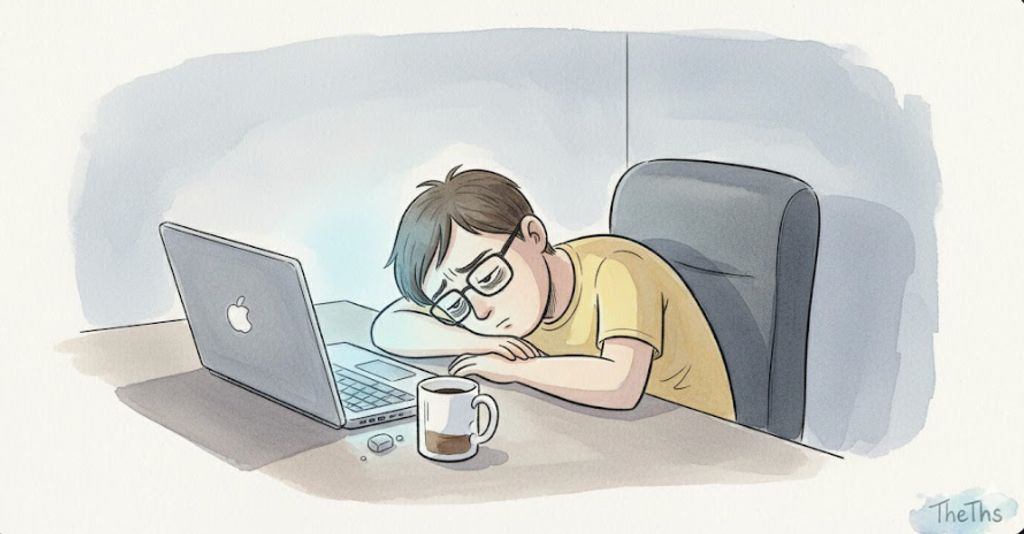
Burnout isn’t just stress. It’s a state of emotional, physical, and mental exhaustion caused by prolonged or excessive stress — often related to work, study, or caregiving. In India, long work hours, competitive academic environments, and societal expectations often contribute to this condition.
Unlike everyday tiredness, burnout tends to be persistent and can affect multiple aspects of life unless addressed early.
Long-Term Effects of Burnout on Health
Burnout doesn’t just drain your energy — if left unattended, it may lead to deeper, long-lasting health issues.
1. Chronic Fatigue That Won’t Go Away
Most people think sleep will fix tiredness, but with severe burnout, rest might not feel restorative. You may wake up feeling just as exhausted as when you went to bed.
If persistent fatigue affects your daily functioning, a consultation with Internal Medicine specialists through TheThs.com can help rule out underlying medical causes.
2. Persistent Headaches and Migraines
Stress-induced tension often leads to chronic headaches. Over time, the nervous system becomes sensitised, making headaches more frequent and harder to manage.
If headaches become regular or intense, seeing a Neurologist or Pain Specialist can bring relief strategies tailored to your needs.
3. Digestive Problems and Nutritional Imbalances
Burnout influences your appetite — some people lose it, others binge eat. This inconsistent eating pattern combined with stress responses can disrupt digestion and lead to:
Irritable bowel symptoms
Acid reflux
Indigestion
Nutrient deficiencies
You can consult Gastroenterologists or Dietitians on TheThs.com to correct diet, digestion, and nutrient balance.
4. Sleep Disturbances and Insomnia
Burnout and sleep problems feed each other. Poor sleep increases daytime exhaustion, which in turn worsens stress and anxiety — creating a vicious cycle.
If inability to sleep well continues, a Sleep Specialist or Psychiatrist may help identify sleep patterns and offer evidence-based solutions.
5. Weakened Immunity and Frequent Illness
Stress hormones suppress immune function over time. People with chronic burnout are more likely to fall sick frequently, take longer to recover, and develop recurring infections.
It’s important to strengthen immunity with professional support — from both General Physicians and Nutrition Experts.
Long-Term Emotional and Mental Impact
Burnout doesn’t only affect the body; it changes how you feel and relate to life.
6. Persistent Low Mood and Emotional Exhaustion
Burnout often leads to emotional numbness, loss of interest in activities you once enjoyed, and pervasive tiredness — symptoms that sometimes overlap with depression.
Psychological counselling or therapy from Clinical Psychologists listed on TheThs.com can offer coping strategies and emotional processing tools.
7. Anxiety and Heightened Stress Response
Even minor triggers may feel overwhelming. This chronic fight-or-flight response keeps the nervous system in overdrive and can lead to:
Restlessness
Irritability
Panic sensations
For anxiety management, experts in Mental Health and Psychiatry can help you build resilience strategies.
8. Difficulty Concentrating and Reduced Productivity
Burnout affects cognitive functions — making it hard to focus, make decisions, and remember things clearly. Many people notice a drop in their work or academic performance.
Cognitive behaviour strategies, coaching, and support from counsellors can help rebuild focus and motivation.
Social and Relationship Consequences
9. Strained Relationships
When exhaustion becomes constant, social interactions may suffer. You may:
Avoid gatherings
Become irritable with loved ones
Feel misunderstood
Find it hard to communicate your needs
Support from therapists or family counsellors can help rebuild connection and communication patterns.
10. Withdrawal from Activities You Once Enjoyed
Burnout often causes people to disengage from hobbies, cultural activities, and social life — contributing to isolation and feelings of stagnation.
Recovery involves rekindling interests in manageable ways, often with guidance from Life Coaches or Wellness Therapists.
How People in India Can Address and Prevent Long-Term Burnout
1. Prioritise Breaks — Not Just Work
Indian work culture often values hustle, but intentional breaks throughout the day support mental refreshment.
Simple measures like a short walk, meditation break, or unplugging for a few minutes can make a significant difference.
2. Build a Supportive Routine
A balanced day with regular meals, hydration, sleep, and movement nurtures both body and mind. If needed, Dietitiansand Lifestyle Medicine specialists on TheThs.com can help structure a sustainable routine.
3. Monitor Screen and Work Hours
Extended screen time contributes to mental strain. Setting boundaries for work vs personal time helps reset stress responses.
4. Seek Professional Help Early
If stress feels unmanageable, don’t wait. Early consultation with:
Psychologists
Psychiatrists
Internal Medicine doctors
Sleep Specialists
Lifestyle Coaches
can prevent long-term impact. You can explore and book appointments with these experts on TheThs.com.
Lifestyle Practices That Support Recovery
Mindful breathing and meditation
Gentle physical activity like yoga or walking
Structured sleep routine
Journaling thoughts and triggers
Reducing caffeine and sugary foods near bedtime
Participating in hobby or creative pursuits
These small daily habits support resilience and enhance emotional strength.
Conclusion
Burnout is not a weakness — it’s a modern stress response that can become chronic if not addressed. Left unresolved, it impacts not only your physical health but your emotional balance, productivity, social life, and overall quality of living.
India’s growing awareness of mental health, combined with accessible healthcare support through platforms like TheThs.com, means help is just a few clicks away.
Whether you’re seeking a counsellor, a sleep specialist, a doctor for stress-related physical symptoms, or a wellness expert to guide lifestyle changes, TheThs.com connects you with trusted professionals and clinics across the country.