How to Choose the Right Hospital in Delhi NCR: A Complete Patient Guide
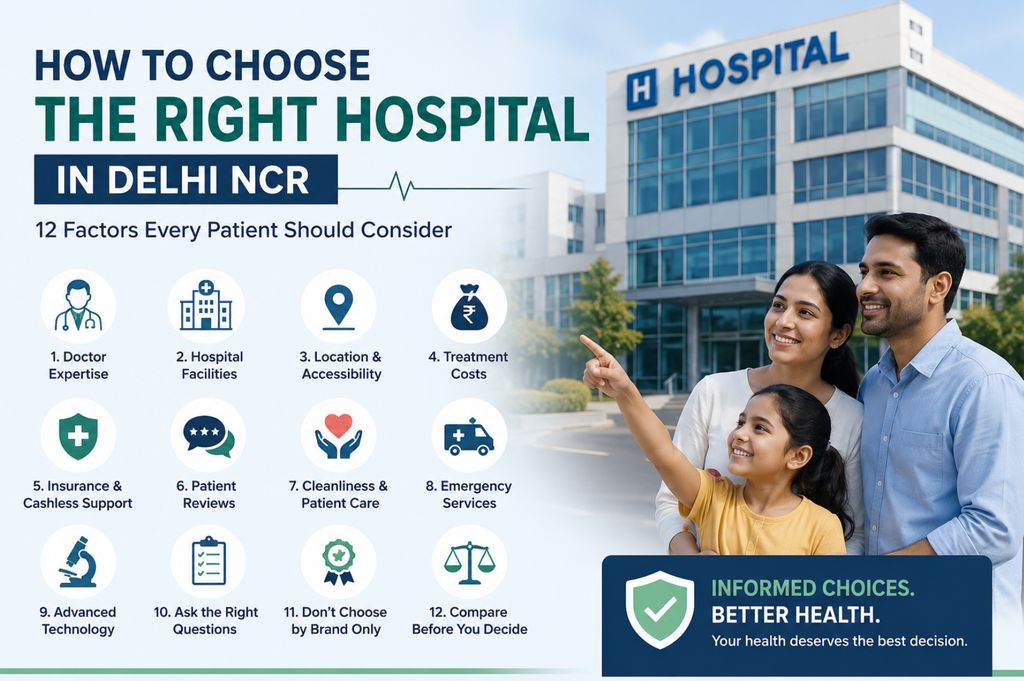
Choosing a hospital is one of the most important healthcare decisions you'll make. Whether it's for a routine consultation, surgery, maternity care, emergency treatment, or a health check-up, selecting the right hospital can significantly impact your healthcare experience.
Many people simply choose the nearest or most well-known hospital. However, the best hospital for one patient may not always be the best choice for another.
This guide will help you make a more informed decision.
1. Identify Your Healthcare Need
Before searching for a hospital, determine why you need one.
Different hospitals excel in different areas.
Examples include:
- Cardiology
- Orthopaedics
- Neurology
- Oncology
- Gastroenterology
- Maternity Care
- Pediatrics
- Cosmetic Surgery
- Fertility Treatment
- General Surgery
Choosing a hospital that specializes in your medical condition often leads to better outcomes.
2. Check the Experience of Doctors
A hospital's reputation is closely linked to the expertise of its doctors.
Before booking an appointment, consider:
- Doctor's qualifications
- Years of experience
- Specialization
- Success rate (where available)
- Patient reviews
- Availability
An experienced specialist can often make a significant difference in diagnosis and treatment.
3. Compare Hospital Facilities
Modern healthcare is not only about doctors.
Look for facilities such as:
- ICU
- Operation Theatres
- Emergency Services
- Advanced Diagnostic Equipment
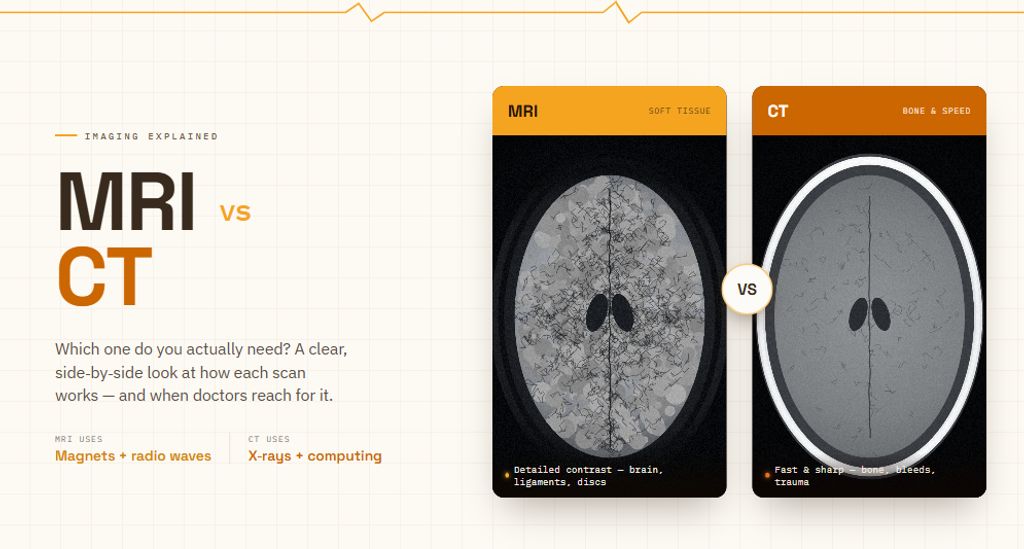
- MRI
- CT Scan
- Digital X-ray
- Laboratory Services
- Pharmacy
- Ambulance
- Cashless Insurance Support
These facilities improve both patient safety and convenience.
4. Consider the Location
Healthcare often requires multiple visits.
Choosing a hospital near your home or workplace can help reduce:
- Travel time
- Transportation costs
- Stress during emergencies
- Difficulty for family members visiting patients
Accessibility is an important factor that is often overlooked.
5. Compare Treatment Costs
Healthcare expenses can vary significantly.
Before making a decision, compare:
- Consultation fees
- Procedure costs
- Room charges
- Diagnostic test pricing
- Surgery packages
A higher price doesn't always mean better care.
Many hospitals provide excellent treatment at competitive prices.
6. Check Insurance and Cashless Facilities
If you have health insurance, confirm whether the hospital accepts your policy.
Look for:
- Cashless treatment
- TPA support
- Corporate insurance
- Government health schemes
This can help reduce out-of-pocket expenses.
7. Read Patient Reviews Carefully
Patient reviews provide valuable insights into:
- Doctor behaviour
- Staff responsiveness
- Waiting time
- Cleanliness
- Overall patient experience
Instead of looking only at ratings, read detailed reviews to understand recurring strengths and concerns.
8. Evaluate Cleanliness and Patient Care
A clean environment reflects a hospital's commitment to quality.
Consider:
- Hygiene standards
- Infection control
- Nursing care
- Waiting areas
- Washroom cleanliness
- Patient assistance
Comfort and cleanliness contribute to a better recovery experience.
9. Compare Multiple Hospitals Before Deciding
Don't limit yourself to the first hospital you find.
Compare at least three providers based on:
- Doctors
- Facilities
- Cost
- Distance
- Reviews
- Insurance support
- Appointment availability
A little comparison today can help you make a more confident healthcare decision.
10. Ask Questions Before Treatment
Patients should never hesitate to ask questions.
Some important ones include:
- What are my treatment options?
- What are the expected costs?
- Are there any risks?
- How long is the recovery period?
- Are there alternative treatments?
Being informed helps you make better decisions.
11. Don't Choose Only by Brand Name
Well-known hospitals often provide excellent care, but many smaller hospitals and specialty centres also offer experienced doctors, advanced technology, and personalized care.
Instead of choosing based only on brand recognition, compare healthcare providers based on your specific needs.
12. Use Healthcare Platforms to Compare Options
Technology has made healthcare discovery easier.
Instead of visiting multiple websites individually, patients can use healthcare discovery platforms to:
- Compare hospitals
- Discover specialists
- Explore facilities
- Review services
- Find providers based on location
- Make informed decisions
Having relevant information in one place saves time and helps patients choose with confidence.
Final Thoughts
Healthcare decisions should be based on quality, transparency, convenience, and your individual needs—not just advertisements or familiarity.
Whether you're looking for a hospital, clinic, diagnostic centre, or specialist in Delhi NCR, taking the time to compare your options can lead to better healthcare outcomes and a smoother treatment experience.
At TheThs, our mission is to make healthcare discovery simpler by helping patients explore and compare healthcare providers based on what matters most to them.