How Your Oral Health Affects Pregnancy and Fertility: What Every Woman Should Know
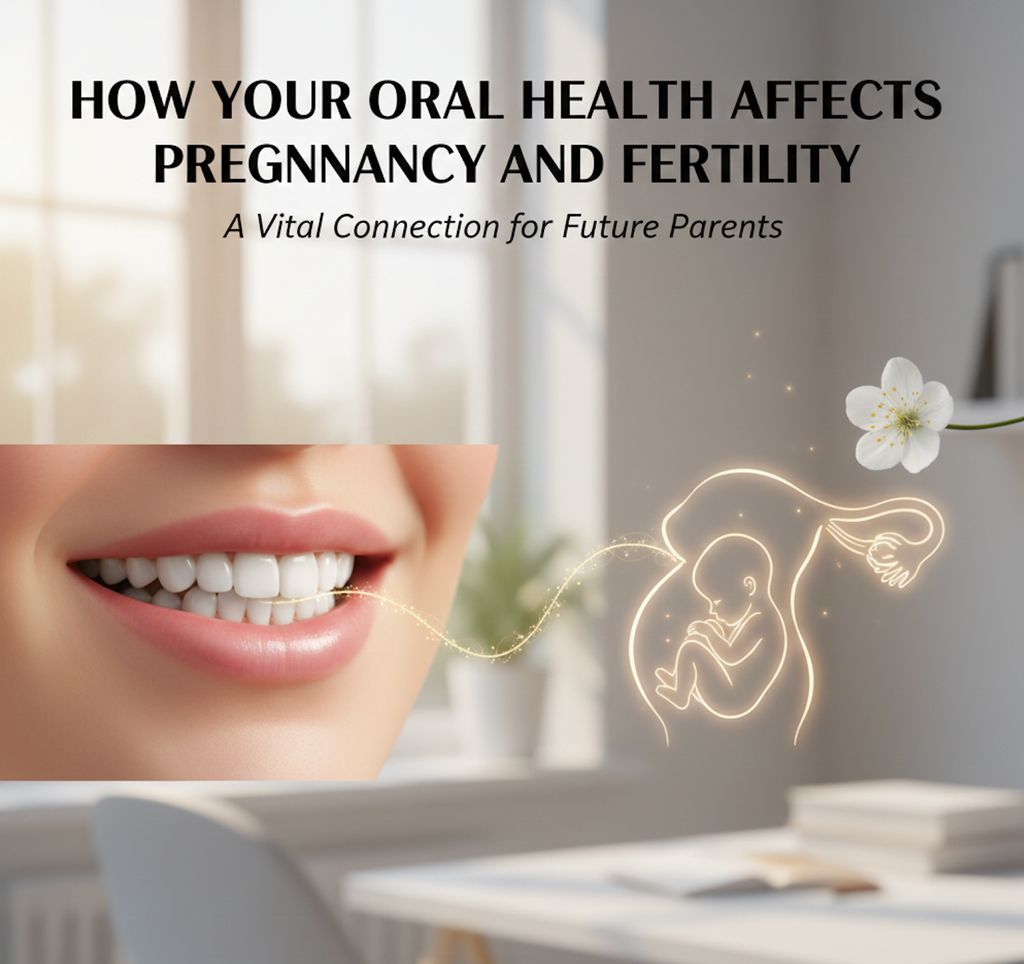
When most people think about preparing for pregnancy, they focus on diet, supplements, lifestyle changes, and medical checkups. But one vital aspect of preconception and maternal health often gets overlooked — oral health.
Growing research shows that the health of your teeth and gums may play a much bigger role in fertility and pregnancy outcomes than previously understood.
If you're planning to conceive or want to support a healthy pregnancy, taking care of your mouth is more important than you think.
The Mouth–Body Connection: Why It Matters
Your mouth isn’t just a separate part of your body. It’s closely linked with your immune system, hormones, and overall metabolic health. Conditions such as gum inflammation and infections can release harmful bacteria and inflammatory markers into your bloodstream, potentially affecting reproductive health.
This connection makes oral health a crucial but commonly ignored part of prenatal care.
How Poor Oral Health Can Affect Fertility
1. Gum Disease May Delay Conception
Chronic gum disease (periodontitis) causes persistent inflammation. Systemic inflammation is known to interfere with normal ovulation and can disrupt the menstrual cycle for some women.
Studies have shown:
Women with untreated gum disease may take longer to conceive compared to women with healthy gums.
Inflammation-related bacteria may affect the endometrium, making implantation more difficult.
2. Oral Infections Can Affect Sperm–Egg Interaction
Some oral bacteria have been found in the bloodstream and even in reproductive tissues.
This can create an unfavourable environment for fertilisation and may affect the quality of cervical mucus.
3. PCOS and Oral Health Share Inflammatory Links
Women with PCOS — one of the most common causes of infertility — often experience higher levels of gum issues due to hormonal changes and inflammation.
This makes maintaining oral health even more important for women with PCOS trying to conceive.
How Oral Health Affects Pregnancy
1. Gum Disease Increases the Risk of Preterm Birth
Inflammation in the gums can trigger inflammatory responses in the rest of the body.
This has been associated with:
Preterm labour
Low birth weight
Complications related to infection
Healthy gums reduce these risks significantly.
2. Pregnancy Hormones Can Worsen Gum Problems
Higher levels of progesterone and estrogen during pregnancy make gums more sensitive and prone to swelling, bleeding, and inflammation — often called “pregnancy gingivitis.”
If gum disease is already present, pregnancy may intensify symptoms.
3. Oral Bacteria May Pass to the Baby
Certain bacteria from untreated gum infections can enter the bloodstream and possibly reach the placenta, potentially contributing to complications.
4. Morning Sickness Can Affect Dental Health
Frequent vomiting exposes teeth to stomach acid, which erodes enamel and increases cavity risk.
Untreated cavities can eventually lead to infection and inflammation.
Signs Your Oral Health May Need Attention
Bleeding gums during brushing
Bad breath that doesn’t go away
Swollen or tender gums
Loose teeth
Receding gums
Persistent tooth pain or sensitivity
If you notice any of these symptoms, it’s essential to get evaluated before planning pregnancy.
How to Protect Your Oral Health Before and During Pregnancy
1. Schedule a Dental Checkup Early
A full dental examination and cleaning before you conceive helps:
Reduce inflammation
Treat cavities
Manage gum disease early
Prevent problems during pregnancy
Routine dental treatment is safe during pregnancy, especially in the second trimester.
2. Brush and Floss Regularly
Brush twice a day with fluoride toothpaste and floss daily.
This lowers the risk of plaque buildup and inflammation.
3. Maintain a Healthy Diet
Foods rich in calcium, vitamin D, folate, and antioxidants support both dental and reproductive health.
4. Rinse After Morning Sickness
To protect enamel:
Rinse with water mixed with a pinch of baking soda
Wait 30 minutes before brushing
5. Avoid Tobacco and Limit Sugar
Smoking worsens gum disease and reduces fertility.
Sugary foods encourage cavities — harmful for both dental and pregnancy health.
Why This Matters for Family Planning
If you’re preparing for pregnancy, improving oral health is a simple but powerful step that supports fertility, reduces complications, and promotes a healthier experience for both you and your baby.
Taking care of your mouth is not just about a beautiful smile — it is part of total reproductive wellness.
How TheThs Can Support Your Journey
At TheThs, you can find:
Qualified dentists for pre-pregnancy oral evaluations
Gynecologists and fertility specialists
Preventive healthcare insights tailored for women
Easy appointment booking and tele-consultation options
Whether you're planning to conceive soon or just exploring your options, TheThs helps you make informed, confident health decisions.
For guidance and support across dental, reproductive, and maternal health, visit theths.com.