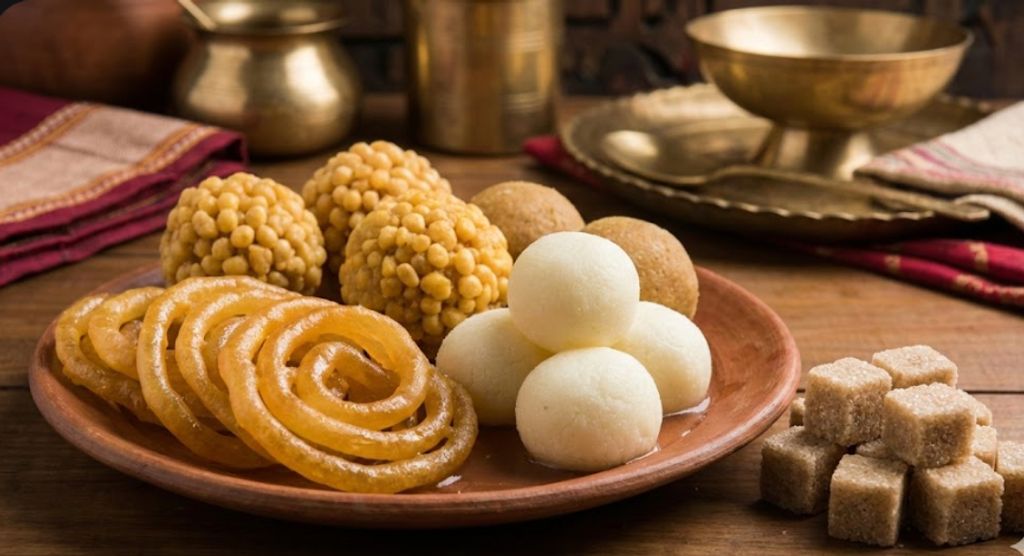
Can Indians Break Free from the Sugar Habit? A Deep Look at India’s Growing Sweet Culture
India is famous for its food — rich flavours, festive sweets, traditional desserts, and sugary beverages that are part of everyday life. From morning chai loaded with sugar to celebratory mithai, and from packaged drinks to hidden sugars in snacks, “sugar culture” has quietly become a part of the Indian lifestyle.
But with rising rates of diabetes, obesity, fatty liver disease, hormonal imbalances, and early lifestyle disorders, the question is more relevant than ever:
Can Indians truly escape the nation’s growing dependence on sugar?
Let’s understand how sugar culture shaped our habits, its impact on health, and the practical steps Indians can take to reclaim a healthier life.
Why Sugar Is So Deeply Rooted in Indian Culture
1. Sweets Are Tied to Celebration
Every festival — Diwali, Eid, Pongal, Christmas, Raksha Bandhan, Holi — includes sweets as a symbol of happiness.
Families often feel sweets are a mandatory offering during special occasions.
2. Everyday Sugar Consumption Starts Early
Children grow up drinking sugary milk, sweetened cereals, biscuits, and juices.
By adulthood, the taste preference for sweet foods becomes deeply established.
3. “Chai Culture” Drives Habitual Sugar Intake
Most Indians drink tea multiple times a day, often with 2–4 teaspoons of sugar each time — adding up far more than they realise.
4. Hidden Sugar in Packaged Indian Foods
Food items commonly consumed in Indian households contain high sugar levels:
Namkeen and biscuits
Sauces and ketchup
Breakfast mixes
Commercial beverages
Sweetened yogurt
Many people assume they are eating “normal” food without knowing how sugary it is.
5. Emotional and Comfort Eating
Sugar is often used as a stress reliever — especially among busy professionals, students, and mothers managing work and home responsibilities.
How Sugar Culture Affects Indian Health
India already carries one of the largest burdens of lifestyle diseases. Excess sugar plays a major role in:
1. Diabetes and Prediabetes
India is often referred to as the "diabetes capital" due to its rapidly growing numbers.
High sugar intake leads to insulin resistance — the starting point of diabetes.
For expert guidance, users can consult Endocrinologists on TheThs.com to assess sugar metabolism and receive personalised care.
2. Obesity and Weight Gain
Sugar causes quick spikes and crashes in energy, increasing hunger and overeating. This contributes to:
Belly fat
Childhood obesity
Early weight-related medical issues
Specialists in Internal Medicine and Nutritionists/Dietitians on TheThs.com can help design sustainable diet plans.
3. PCOS and Hormonal Imbalances
High sugar intake worsens insulin resistance, a major trigger for:
Irregular periods
Acne
Weight gain
Fertility issues
Women dealing with PCOS can find Gynaecologists, Endocrinologists, and Dietitians on TheThs platform for complete care.
4. Fatty Liver Disease
Even non-drinkers are now frequently diagnosed with fatty liver due to excess sugar — especially fructose and processed foods.
5. Heart Health Risks
Excess sugar can increase:
Triglycerides
Blood pressure
Chronic inflammation
This raises the risk of heart disease even among young adults.
Is It Possible for Indians to Escape Sugar Culture? Yes — With the Right Strategies
The shift doesn’t require giving up your cultural food habits. It simply means becoming mindful of how sugar enters your daily routine.
1. Reprogram Your Taste for Sweetness
Gradually reduce sugar in tea, coffee, and homemade foods.
Taste buds adjust within 2–4 weeks.
2. Make Festivals Healthier Without Losing Tradition
You can:
Share smaller portions of mithai
Choose low-sugar or jaggery-based sweets
Replace some desserts with fruit-based options
3. Check Packaged Food Labels
Learn to identify hidden sugars such as:
Maltose
Dextrose
High-fructose syrups
Corn syrup solids
Many "healthy" packaged foods are high in sugar.
4. Replace Sugary Drinks with Better Alternatives
Lemon water
Coconut water
Buttermilk
Herbal teas
Infused water
Avoid sodas and packaged juices.
5. Eat Balanced Meals
Include:
Protein
Whole grains
Fibre-rich vegetables
Healthy fats
Balanced meals reduce sugar cravings naturally.
6. Address Stress and Sleep Issues
Stress and poor sleep significantly increase sugar cravings.
Simple habits like walking, meditation, and a structured bedtime routine make a difference.
7. Get Professional Help When Needed
If sugar cravings are uncontrollable or blood tests show high sugar levels, consult specialists early.
Through TheThs.com, users can find:
Endocrinologists
Internal Medicine doctors
Nutritionists/Dietitians
Family Physicians
Diabetologists
Hospitals and clinics for routine blood tests and checkups
Early intervention prevents long-term complications.
Why Breaking Sugar Culture Is Essential for India’s Future
The shift toward healthier eating is not just a personal choice — it’s a national need.
India’s younger population is increasingly facing:
Early diabetes
Thyroid issues
Metabolic disorders
Lifestyle diseases
Fertility challenges
Reducing sugar intake can significantly improve:
Energy levels
Weight management
Hormonal balance
Mental clarity
Overall well-being
The change begins with awareness and small, daily decisions.
Conclusion
India’s love for sweets is centuries old, but modern health challenges require a more mindful approach. Breaking free from the sugar habit is absolutely possible — not by abandoning tradition but by embracing balance, awareness, and healthier choices.
Whether you're struggling with cravings, weight issues, PCOS, diabetes risk, or simply want a healthier lifestyle, TheThs.com makes it easy to find the right specialists and healthcare providers to guide your journey.